

13 - 15 January 2027, Ripon College Cuddesdon
Difference, tension, and conflict are inevitable, and yet most of us (understandably) avoid it. However, held well, tension has enormous creative potential to strengthen relationships and improve the contributions we make to our work, communities, and life.
“Conflict is community waiting to happen.” - Arnold Mindell
We invite you to join us for a three day retreat to learn the internationally acclaimed Lewis Deep Democracy method.
This method was created in post-apartheid South Africa, and is based on Arnold Mindell’s Processwork. It is a powerful way of working professionally with others, while skilfully navigating the difference, tension and conflict that inevitably occurs whenever groups of people try to create something that matters together.
The training offers a practical toolkit which improves group relationships and releases the potential within groups through bringing clarity, collaborative decision-making and effective transformation of tension or conflict.
While many leadership or facilitation trainings offer great techniques for challenging conversations, most do not incorporate how to deal meaningfully with the unsaid dynamics, inherent differences, and tensions that affect them. The Lewis Deep Democarcy method specifically shows people how to surface undercurrent views, include all voices, and build the inner skills needed to achieve breakthroughs in seemingly impossible-to-solve issues.
Over our three days together, we will learn the foundational theory, tools, and particular ways of being present that make this method so impactful. We will also have time to integrate the learning through reflective sessions that will support attendees to consider how this method relates to their work and life.
This method offers much more than a set tools or ideas - it is a culture, and an invitation into a way of being. The learning offers a powerful contribution and compliment to existing or student ministers, chaplains, spiritual directors or anyone who works with people and seeks to facilitate growth, learning, awareness, healing, and transformation.
What participants will learn
Collaborative Decision Making
- Solve problems and make decisions in participative ways.
- Facilitate dynamic conversations which unleash engagement and creativity.
- Create safety in large or small groups for difficult conversations to take place.
- Surface the wisdom of different views and improve decision making by incorporating this valuable information.
Resolving Conflict and Tension
- Successfully navigate disagreement and discomfort without retreating from it, avoiding tough decisions, accommodating or losing clarity.
- Appropriately address “elephants in the room.”
- Recognise the underlying tensions that block a group's progress, diagnose when group dynamics become polarised and rigid, and know what tools to use in such situations.
- Resolve differences of opinions, arguments and conflicts instead of allowing anger and blaming to continue. Learn to unleash the creative potential that lies within every conflict.
- Use tension as an opportunity for learning, growth and to improve relationships.
Improve organisational and team culture
- Retain valuable people and stop the expensive revolving door of new recruits.
- Create an emotionally mature culture where people can skilfully navigate tough moments together with self-awareness and candour, reducing patterns of sickness leave and burnout.
- Shift from siloed thinking to holistic collaboration, enabling cross-functional teams to work together effectively.
- Develop leaders with finely tuned listening skills who can understand team concerns and take skilful, responsible, and confident action before challenges escalate or derail actions.
Understanding Group Dynamics
- Read the dynamics of a group, pick up on the early signs of resistance and emerging conflict and act in a timely manner to reduce tension.
- Understand the obstacles to good communication, learn to listen and pay attention to different viewpoints.
- Observe group dynamics that exist beyond individuals and manage them for more effective collaboration.
- Begin and end meetings with a powerful way to connect the group and get a handle on what is happening in the room.
Developing inner skills
- Grow the capacity to hold all views as valuable, including the uncomfortable, unpopular, or dissenting ones.
- Stay present with tension, difficulty, and strong emotion without collapsing into fixing, withdrawing, using rank, or avoiding.
- Build self-awareness of your own reactions, edges, and assumptions and the ability to work with them rather than be hooked by them.
- Develop the inner steadiness that allows you to facilitate, lead, or contribute as a non-polarising presence in charged situations without losing your ground.
- Cultivate genuine compassion for the range of views and experiences in yourself and within a group, including those you disagree with.
Retreat schedule
| Wednesday, 13 January | |
| 10:30-16:00 | Training Session (lunch at 13:00) |
| 16:30 | Evening prayer (optional) |
| 17:30-18:30 | Dinner |
| 19:00 | Evening integration and reflection |
| Thursday, 14 January | |
| 08:15-09:00 | Breakfast |
| 09:00 | Morning prayer (optional) |
| 10:30-16:00 | Training Session (lunch at 13:00) |
| 16:30 | Evening prayer (optional) |
| 17:30-18:30 | Dinner |
| 19:00 | Evening integration and reflection |
| Friday, 15 January | |
| 08:15-09:00 | Breakfast |
| 10:30-16:00 | Training Session (lunch at 13:00) |
| Departures |
Retreat Facilitators
Francesca Pagni is a Lewis Deep Democracy instructor, Integral Coach, and trainee interfaith Healthcare Chaplain. She specialises in the human dynamics of organisations, and has over a decade of experience supporting people and teams build the clarity and connection that good work depends on. She has a track record of practically applying Lewis Deep Democracy with clients across public services, enabling more effective teams and leaders, with enhanced decision-making, powerful contributions, and fulfilment of what matters most to them. Francesca is excited to work with Harriet and blend together an integrative retreat based on their shared learning and practices. | 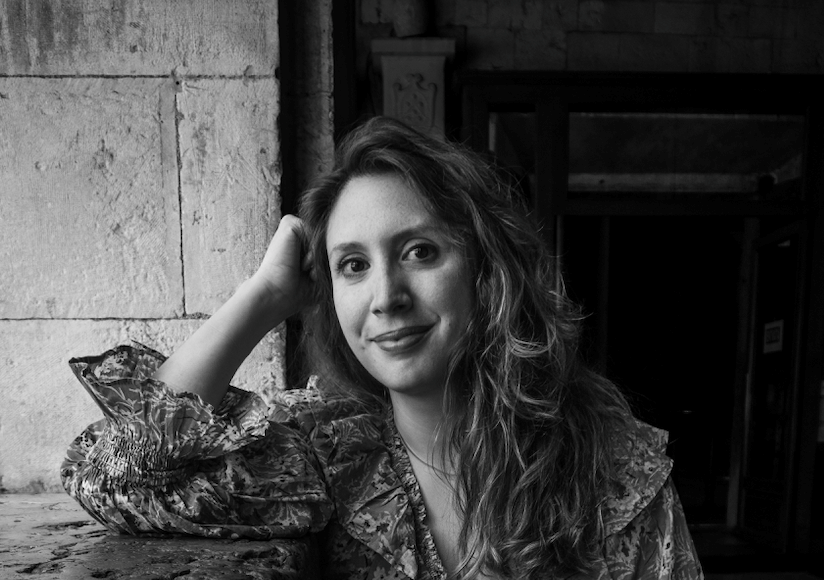 |
| Revd Dr Harriet Harris is Principal of Ripon College Cuddesdon, has worked with Francesca over the last few years on ways for people and institutions to thrive through challenges. Harriet will interweave insights from her Abundant Academy programme at appropriate intersections during the retreat, and Harriet and Francesca will develop the integrative reflective evening sessions out of what has emerged from the group during the day. | 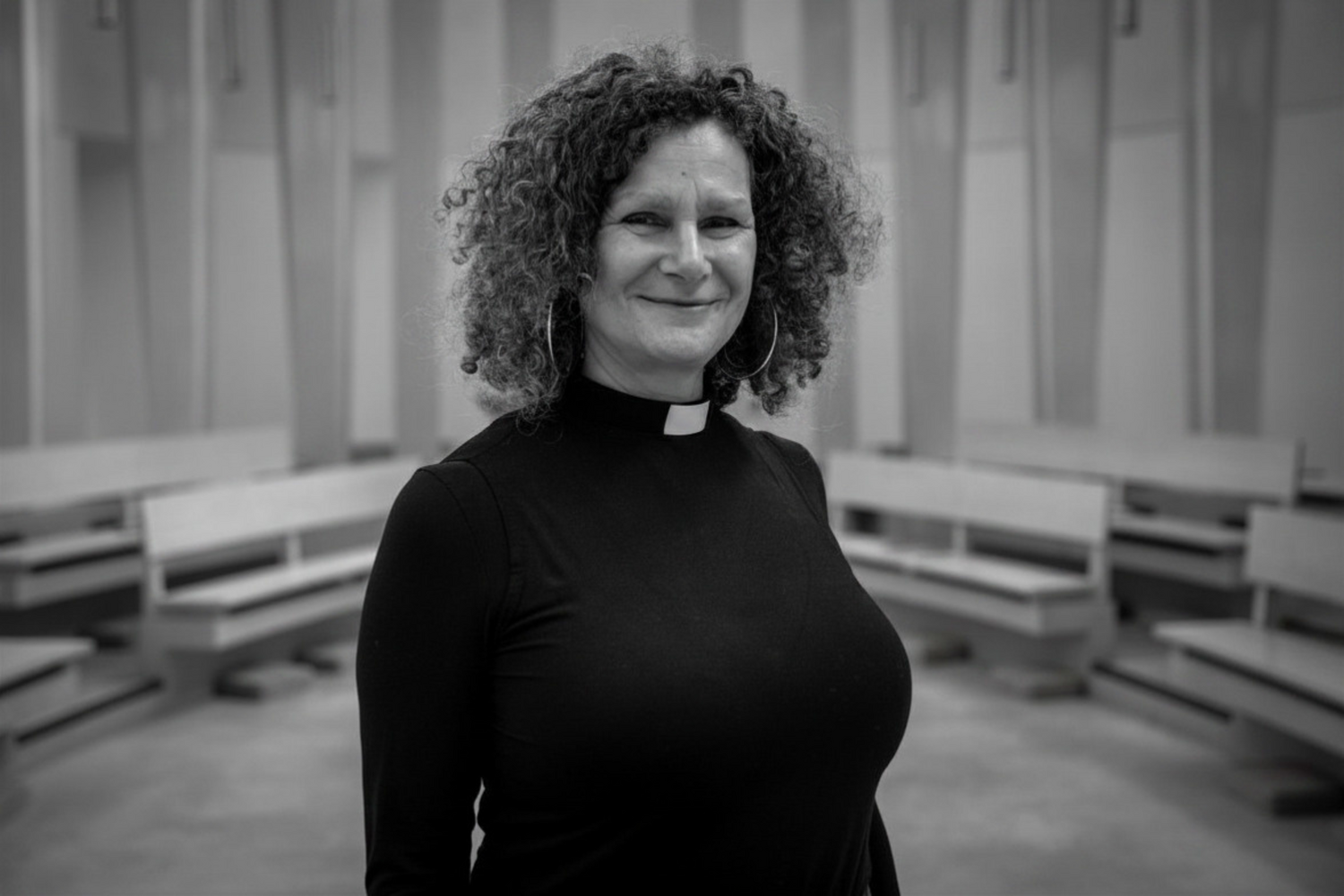 |
Testimonials
“I would highly recommend Francesca’s Deep Democracy training to anyone who finds themselves with groups as a leader. The ideas are deep, rich and immediately practicable in so many ways. I have found myself using the language and ideas daily. It gives a language to some of the more uncomfortable challenges of working together with other human beings in a way that helps create movement even when things feel deeply stuck.”
“Connecting across difference, being able to hold polarities, and voicing what is often blocking a group are just some of the parts of this training I draw on daily in my work now. And when dealing with such deep divisiveness, it feels vital we keep practicing this. Deep Democracy helps you deal with complex conversations, it helps you tease out and hold multiple opinions. It is a training that's practical and applicable in any group conversation, and in my opinion something everyone who works with people should gain experience in. ”
“The strength of the trainer made the course stand out, including the ability to answer deep questions, the pace and clarity of explaining concepts, and the overall mastery of the method. Another standout was how the training was held. It was much less structured than other training. The order of content was decided by the group, using the tools in real time. That emergent structure really held my interest. It made our use of tools feel more real than it would have in a highly structured environment because it brought up uncertainty and friction, and that uncertainty is what made the examples of using the tools feel rich rather than flat.”